DEWALT® Drills for Augers

Video Reviews

Frequently Asked Questions

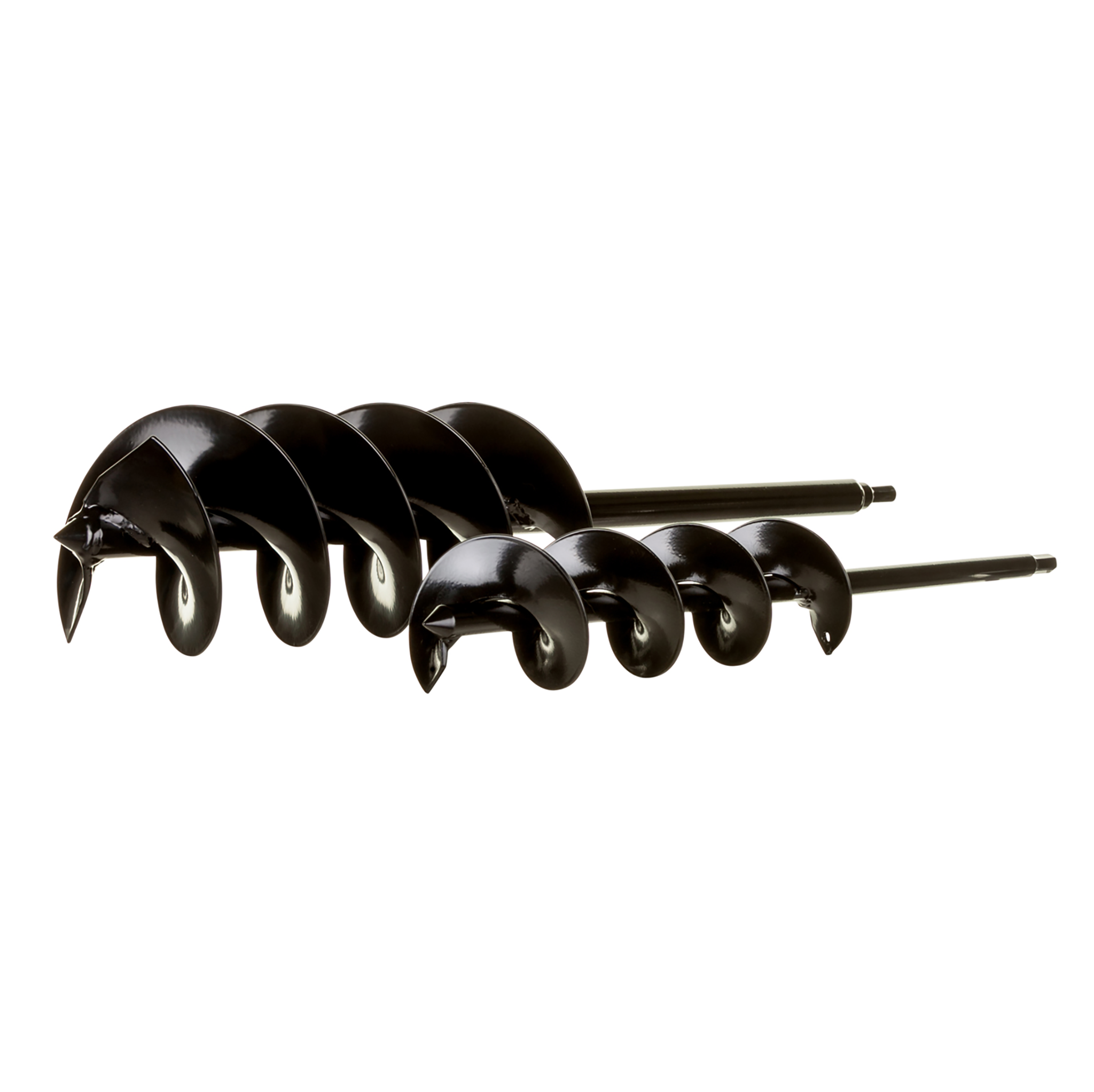
Do I Need an Adapter to Use a Power Planter Auger with a DEWALT Drill?

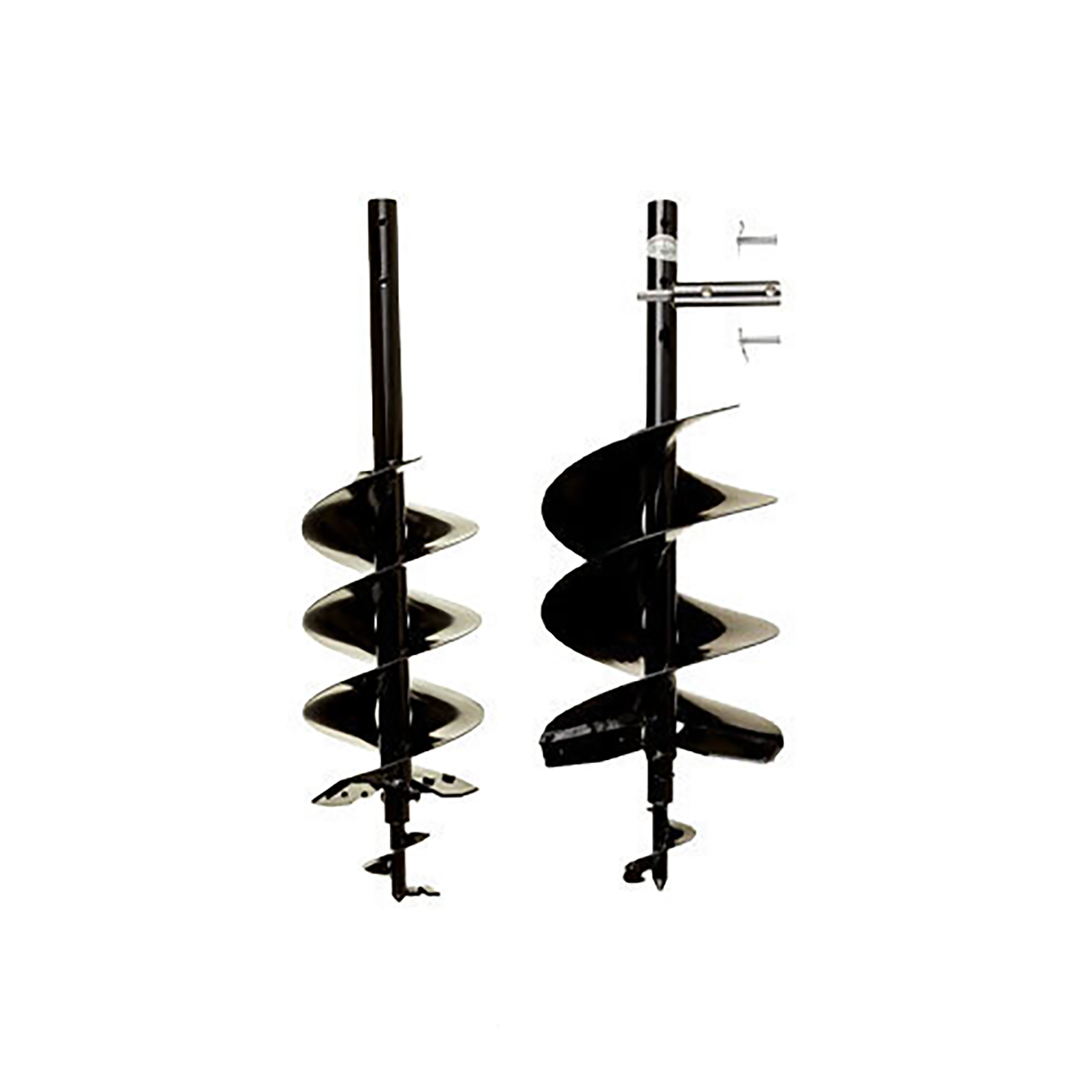
Most standard Power Planter augers fit directly into a ½-inch drill chuck without needing an adapter. However, our Tube Drive Heavy Duty augers require an adapter except when used with 1-inch shafted post-hole diggers. Adapters are needed to use with ½-inch hex drills or threaded shaft drills. We also offer a direct drive adapter to fit most direct drive power units with a ⅞” shaft as well, as well as a 7/16 Quick Attach adapter for quick attach chucked drills. Each Tube Drive Heavy Duty auger ships with a ½-inch hex adapter already installed.

PRO TIP: If you plan to use a Stihl® BT45 as your auger drill, add an ‘order note’ at checkout. We’ll swap the hex adapter for a threaded adapter so your auger is ready to use right out of the box.

How Do I Choose the Best Drill for Auger Work?

Choosing the best drill for an auger bit depends on your specific needs. A cordless DEWALT drill offers convenience and flexibility, making it a reliable option for yard work or larger job sites. For projects requiring longer runtime, DEWALT batteries help maintain power. Our collection also includes models often used as post-hole diggers for tasks like fence installation.

Can I Use Any Drill with a Power Planter Auger?

Drills come in several models suitable for use as an auger drill, depending on project requirements and soil conditions. Not every drill is suited to every auger project. Smaller household drills may handle light gardening tasks, but larger auger bits and dense soils will require a higher-torque drill to avoid stalling. Always check the auger’s size recommendations and your drill’s specifications to ensure they’re a good match before starting your project, and always set the drill’s clutch per the manufacturer’s instructions for safety. All Power Planter augers are made to work with any brand of drill.

What Speed Do You Use When Drilling with an Auger Bit?

When using an auger bit with a drill, start at a low speed and increase gradually as needed. Slower speeds provide better control and reduce the risk of the auger catching or binding, especially in compacted, clay, or rocky soil. Using a controlled, steady speed allows the auger to dig efficiently without placing unnecessary strain on the drill or the user. Let the auger do the work, rather than forcing it.

What Features Make a DEWALT Drill Useful for Digging Tasks?

Many DEWALT drills include brushless motors, variable speeds, and stabilizing handles, making them useful for tasks like fence post installation or planting. Brushless motors can improve efficiency and extend runtime, while variable speed settings let you control drilling speed depending on soil type or auger size. These features allow users to adapt the drill for tasks such as planting trees, installing posts, or mixing soil.

Are Cordless DEWALT Drills Powerful Enough for Large Projects?

For smaller augers and lighter soils, most cordless drills will handle the job with ease. For larger augers or tougher conditions, pairing your drill with a high-torque model and the appropriate battery setup will give you more consistent results. Cordless DEWALT drills provide the power needed for many projects, especially when paired with high-capacity DEWALT batteries.

How Do I Safely Use a Drill with an Auger?

The following steps will help protect you, your drill, and your auger:

  • Start by wearing gloves, eye protection, and sturdy footwear to protect yourself from flying soil or unexpected obstructions underground
  • Make sure the auger bit is secured tightly in the drill chuck before beginning
  • Work at a steady pace, letting the auger do the digging, rather than forcing it
  • If the bit catches on something, release the trigger immediately and list the auger out to clear the obstruction before continuing
  • Stay mindful of underground utilities and make sure to call 811 before you dig